

Botox for Strabismus: A Less Invasive Option for Eye Alignment

When most people hear the word Botox, they immediately think of wrinkle reduction. But long before its popularity in cosmetic medicine, botulinum toxin was first developed as a treatment for eye misalignment, a condition known as strabismus. In fact, its early medical use dates back to ophthalmology.
Today, Botox continues to play an important role in helping both children and adults improve eye alignment, often as an alternative to traditional surgery.
Why Botox Works for Strabismus
Strabismus occurs when the eye muscles do not work together properly, causing one or both eyes to drift inward, outward, upward, or downward. In some cases, strengthening or weakening specific muscles can help the eyes realign.

Botulinum toxin temporarily relaxes the overactive eye muscle, allowing the opposing muscle to pull the eye into better alignment. As the relaxed muscle recovers over the following weeks, the improved alignment is often maintained.
For certain types of strabismus, research has shown that Botox can achieve success rates comparable to surgery, making it an important treatment option for select patients.
A Less Invasive Alternative to Surgery
While children still require brief anesthesia for the injection, the procedure itself is:

Very short—usually under five minutes
Minimally invasive—no incisions, stitches, or sutures
Fast to recover from—most children resume normal activities quickly
This can be especially helpful for patients who may not be ready for traditional surgery or whose specific type of strabismus responds well to targeted muscle treatment.
Experience Matters
Botulinum toxin for strabismus requires specialized training and expertise.
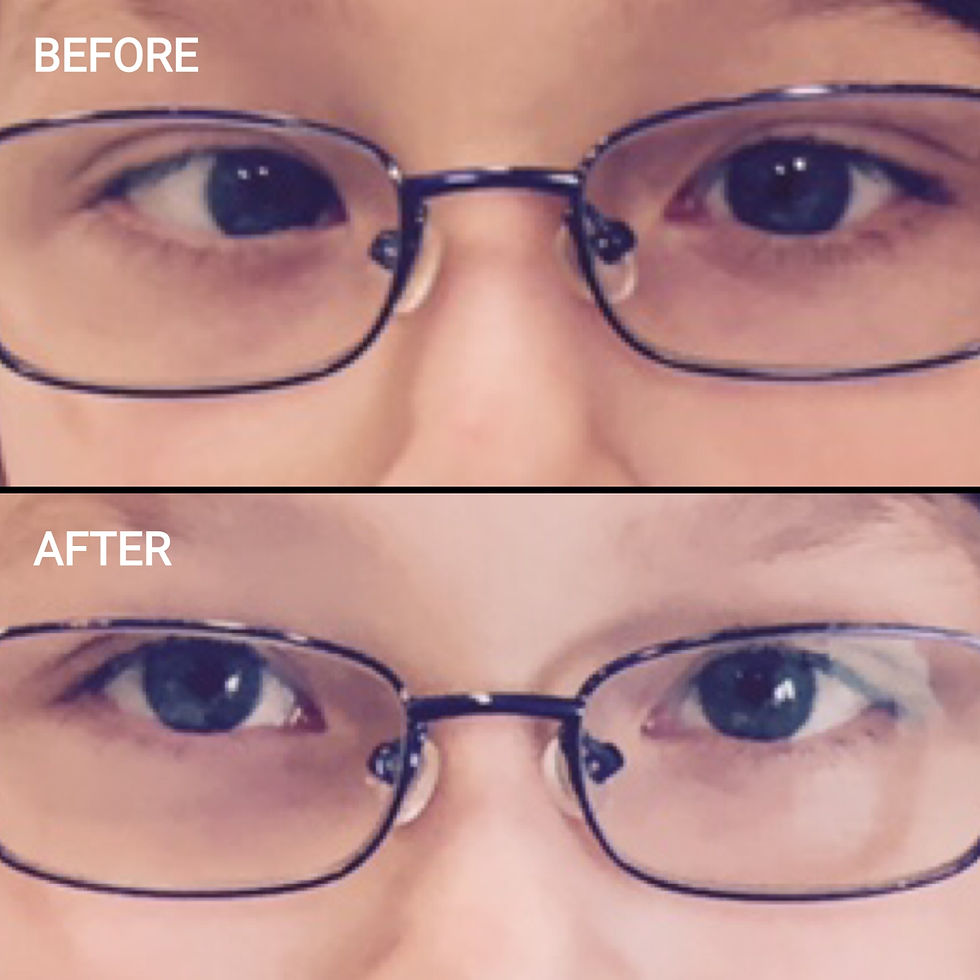
UCEC is one of the few practices in the region offering Botox injections for pediatric and adult strabismus.
Our physicians use this approach selectively and thoughtfully, ensuring that each patient receives the treatment that best supports long-term visual outcomes.
Learn More About the Research Behind This Approach
If you're interested in diving deeper into the science, we encourage you to read an article co-authored by UCEC’s Dr. Engel: “The resurgence of botulinum toxin injection for strabismus in children.”


Comments